
Choosing the right generator capacity is important for maintaining uninterrupted power supply in any business. Whether you operate a small office, hotel, manufacturing unit, construction site or commercial establishment, having a suitable generator ensures that essential equipment and operations continue running during power outages.
However, selecting a generator without understanding your actual power requirements can lead to unnecessary expenses, poor performance and operational problems. This guide explains the key factors to consider when choosing the right generator capacity for your business.
1. Calculate Your Total Power Requirements
The first step is to identify all the electrical equipment that needs to operate using the generator. Make a list of essential appliances, machinery and electrical systems, along with their power ratings.
Common examples include:
- Air conditioners and ventilation systems
- Computers and office equipment
- Lighting systems
- Industrial machinery
- Refrigerators and cooling equipment
- Water pumps and motors
Add the power consumption of the equipment you expect to operate simultaneously. This gives you an initial estimate of your generator’s required capacity.
2. Understand kW and kVA
Generator capacity is commonly measured in kilowatts (kW) and kilovolt-amperes (kVA).
- kW (Kilowatts): Measures the actual electrical power used by equipment.
- kVA (Kilovolt-Amperes): Measures the apparent power supplied by the generator.
The relationship between these measurements depends on the power factor.
For example, a generator rated at 100 kVA with a power factor of 0.8 can deliver approximately 80 kW of real power.
Understanding this difference helps businesses select a generator that can handle their electrical requirements effectively.
3. Consider Starting and Running Loads
Some electrical equipment requires additional power when it starts. Motors, air conditioners, pumps and heavy machinery may have higher starting power requirements than their normal running consumption.
This is known as starting or surge load.
When choosing a generator, consider both the running load and the starting requirements of equipment. Ignoring these requirements can result in voltage fluctuations, overloading or difficulty starting machinery.
4. Consider the Type of Business
Different businesses have different electricity requirements. Your industry and daily operations play an important role in determining the appropriate generator capacity.
For example:
- Offices: Computers, lighting, internet systems and air conditioning.
- Hotels and Restaurants: Kitchen equipment, refrigeration, lighting and air conditioning.
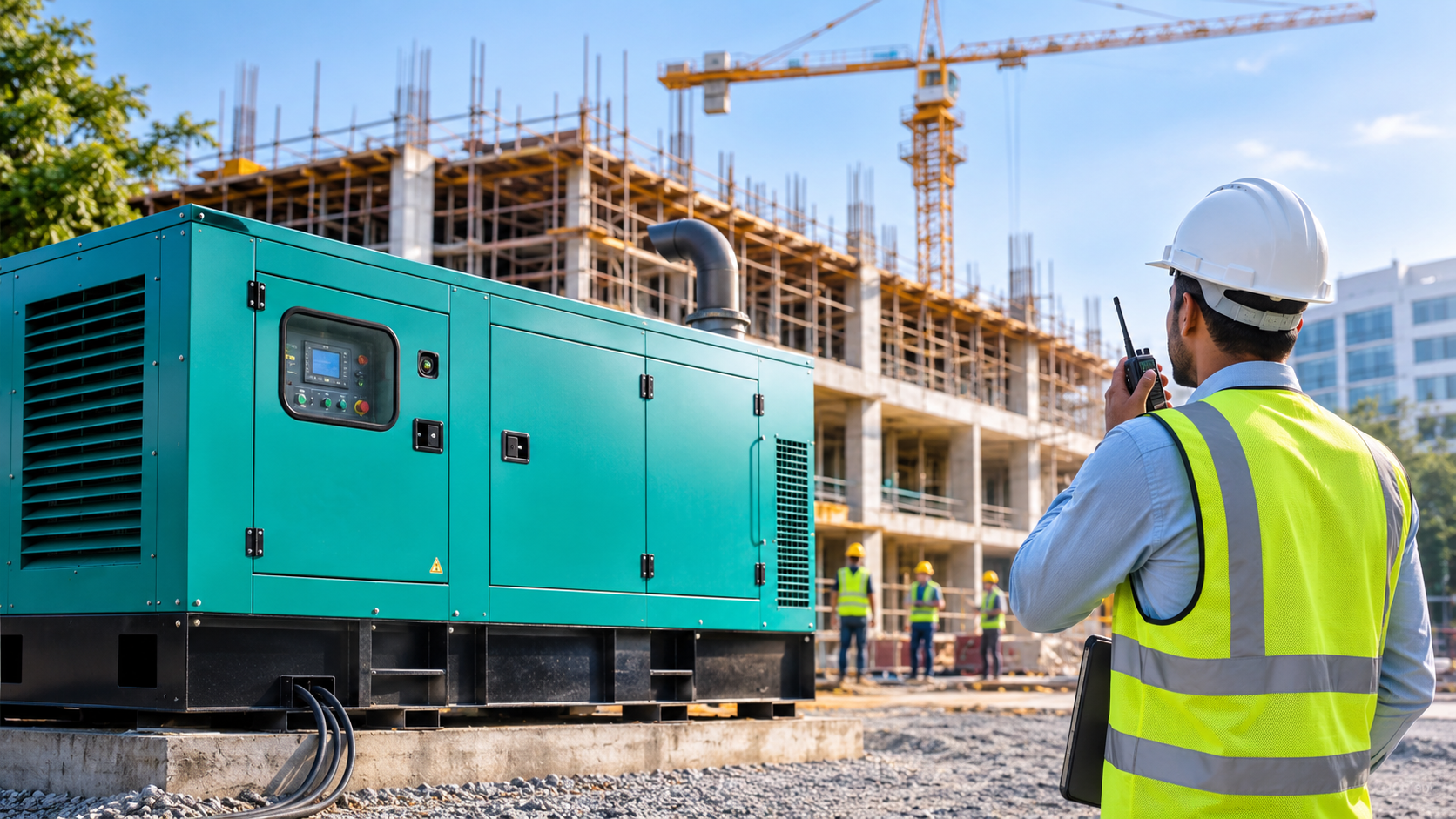
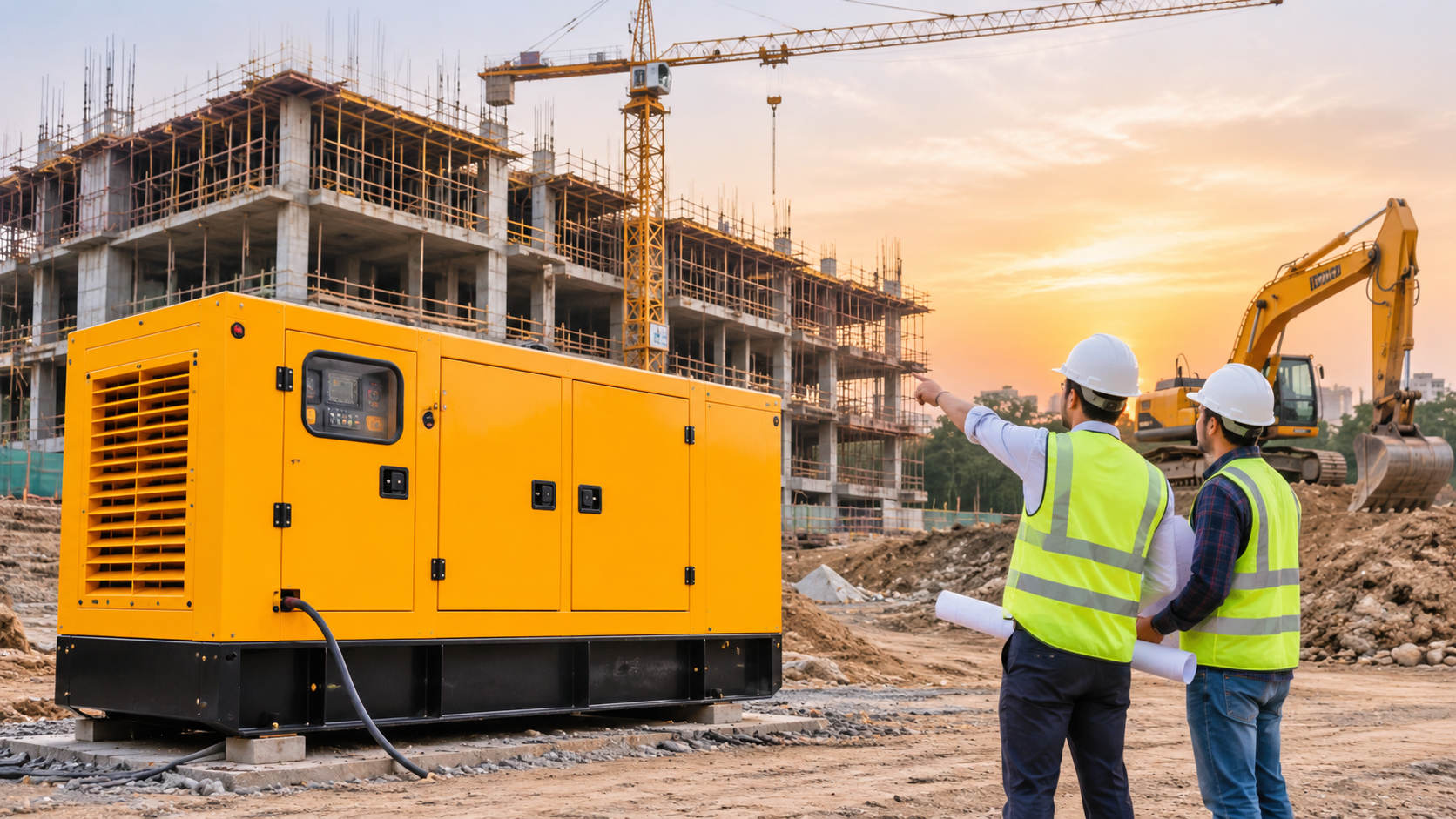
- Construction Sites: Heavy machinery, power tools, pumps and temporary lighting.
- Manufacturing Units: Industrial machines, motors and production equipment.
- Hospitals and Healthcare Facilities: Essential medical equipment, lighting and critical electrical systems.
Understanding your business operations helps determine which equipment requires backup power and how much capacity is needed.
5. Plan for Future Business Expansion
Your electricity requirements may increase as your business grows. You may add new machinery, expand office space or introduce additional equipment.
Choosing a generator with appropriate capacity for anticipated future requirements can help avoid the need for an early replacement.
However, avoid selecting an excessively large generator, as operating it consistently at a very low load may reduce efficiency.
6. Consider the Generator Type and Operating Environment
Apart from capacity, consider where and how the generator will be used.
- Open-Type Generators: Suitable for designated outdoor or industrial areas where noise control is less critical.
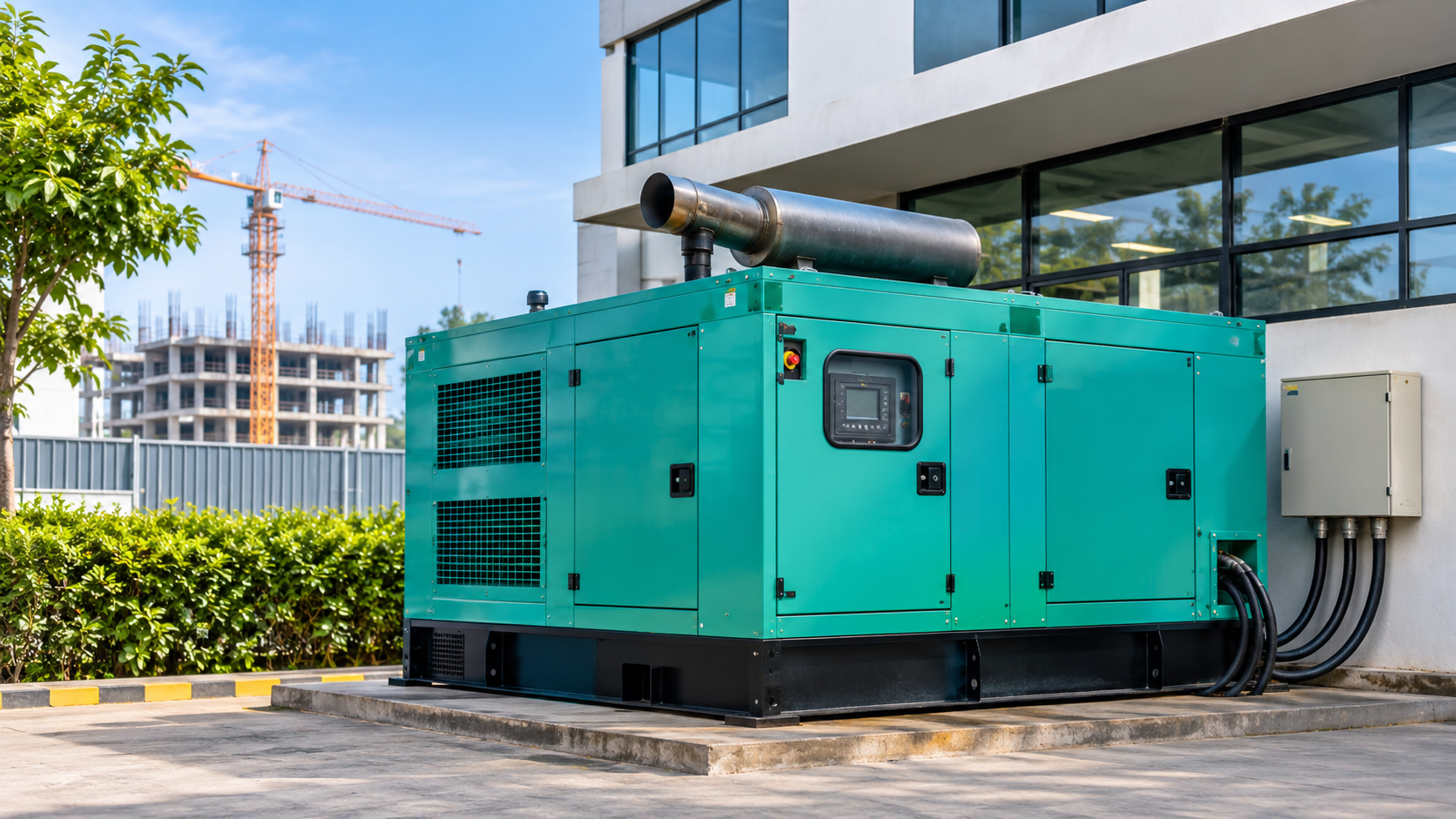
- Silent Generators: Useful for offices, hotels, hospitals and residential or commercial areas where noise reduction is important.
- Diesel Generators: Commonly used for commercial and industrial backup power requirements.
Consider available space, ventilation, noise restrictions, fuel availability and installation requirements before making a decision.
7. Why Professional Guidance Matters
Selecting the correct generator capacity involves more than adding up the wattage of electrical equipment. Starting currents, power factor, load variations and the type of application must also be considered.
Consulting an experienced generator rental provider can help you identify the right capacity for your requirements while avoiding unnecessary rental costs.
Choose the Right Generator Rental Service in Kochi
If your business needs a reliable backup power solution, choosing the right generator capacity is the first step towards uninterrupted operations.
Sree Krishna Power Solutions provides generator rental solutions for businesses, construction projects and commercial requirements. Whether you need temporary power for a project or backup support for your business, selecting suitable generator capacity can help ensure reliable performance.
Contact Sree Krishna Power Solutions to discuss your power requirements and find a suitable generator rental in Kochi and surrounding areas.
Conclusion
Choosing the right generator capacity requires careful planning and an understanding of your business’s electrical requirements. By calculating your total load, considering starting power, evaluating your industry needs and planning for future expansion, you can make a more informed decision.
A properly selected generator helps maintain business continuity, supports essential equipment and provides dependable backup power when it matters most.